A water leak doesn't wait for you to think clearly. The moment matters more than the method, so this guide is ordered the way you should actually act, not the way it would read as a tidy checklist. Do the first section before anything else, even before you finish reading the rest.
Turn Off the Water, and Know Where That Actually Is in a Dubai Property
Most advice on this topic assumes a Western home with a single mains stopcock under the kitchen sink or in a basement. That's not how most Dubai properties are plumbed, and following that advice here wastes the minutes that matter most.
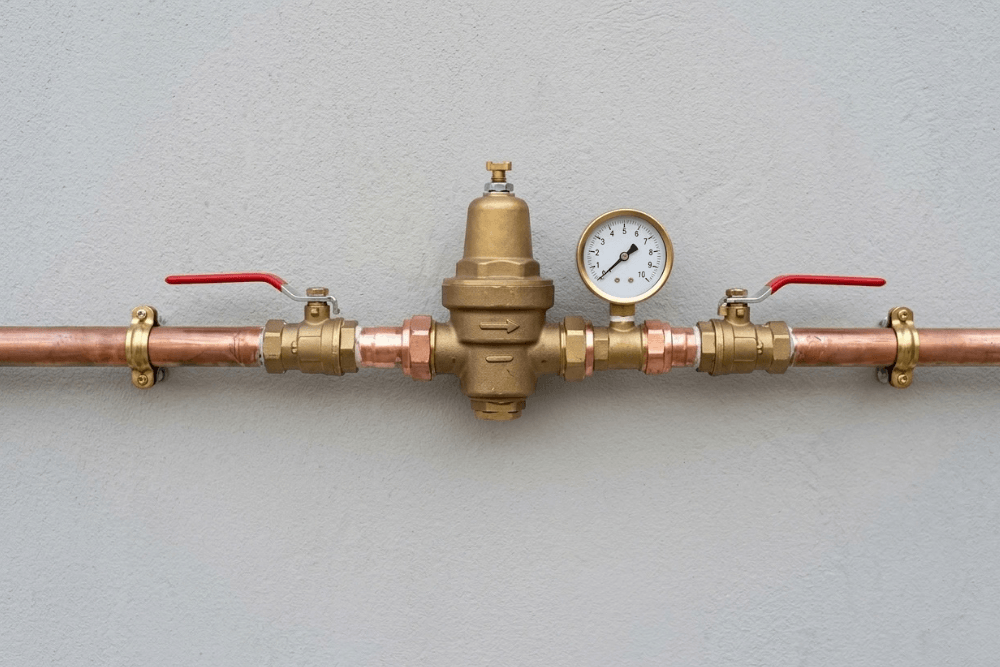
In a villa, water typically arrives from a rooftop or underground tank, pushed through the system by a pump, not fed directly under mains pressure the way it would be in many other countries. The isolation point you need is usually near that tank or pump, sometimes in a utility area outside the property, or in a dedicated pump room. In an apartment building, the shut-off is more often in a service corridor or riser cupboard shared by several units on your floor, not inside your own unit at all.
- If the leak is under a single fixture (a sink, a washing machine, a toilet), check for a small local isolation valve on the supply line first, this is faster than cutting water to the whole property
- If you can't isolate it locally within a minute, move straight to the property's main valve rather than searching further
- If you don't know where your main isolation point is and have never checked, that's worth doing today, not during the next emergency
!Find it before you need it
The single most useful thing you can do this week, unrelated to any current leak, is locate your property's main water isolation point and confirm it actually turns. A valve that hasn't been touched in years can seize.
If Water Is Anywhere Near an Electrical Panel or DB Board
Water and live electrics don't need to be touching to be dangerous, proximity is enough. If the leak is near a DB board, an outlet, or any wiring, don't approach it. Switch off power at the main breaker from a dry area if you can reach it safely, and if you can't, leave that part alone entirely and wait for a professional. This is not a step to improvise.
Contain What's Already Out, Watch the Ceiling
Towels and buckets do the obvious job, but there's a specific risk worth knowing in Dubai properties: many ceilings are gypsum board over a void, not solid concrete at the visible surface. A gypsum ceiling that's absorbed enough water can sag and, in a genuine worst case, collapse. If you see a bulge or the ceiling feels soft or spongy to a light touch, treat that room as off-limits until a professional has assessed it, don't stand directly underneath it to inspect further.
Why the First Hour Matters More Here Than in a Cooler Climate
This isn't Dubai-specific folklore, it's basic microbiology responding to a genuinely different starting temperature. Mould and mildew need moisture and warmth to establish, and a property running air conditioning against 40°C-plus ambient heat still has wall cavities, ceiling voids, and behind-furniture spaces that sit warmer and more humid than the air you're breathing. Standing water that might take a couple of days to become a mould problem in a temperate climate can start colonising materials meaningfully faster here. Getting a wet area properly dried, not just visibly mopped, in the first 24 to 48 hours is the difference between a cleanup and a remediation job.
Document It Before You Clean Everything Up
Take photos and a short video of the source, the spread, and anything damaged, before you start drying and moving things. This matters for two separate reasons: it helps whoever repairs the leak understand what happened before they arrive, and it's the documentation you'll want if you're filing an insurance claim or, if you're renting, raising the issue with your landlord.
If You're Renting: What You're Actually Owed
Dubai's tenancy law is more specific on this than most tenants realise. Under Article 16 of Law No. 26 of 2007, unless the tenancy contract states otherwise, the landlord is responsible for maintenance and for repairing any defect or damage that affects your ability to use the property as intended, for reasons that aren't your fault. A burst supply pipe or a failed fitting is squarely that kind of defect. Article 17 adds that the landlord is responsible for damage from causes beyond the tenant's control.
In practice, most registered tenancy contracts in Dubai split responsibility by a cost threshold, commonly around AED 500, with the tenant covering smaller items and the landlord covering larger ones. Check your Ejari-registered contract for the actual figure it uses. Either way, notify your landlord or the building's management in writing (a message thread is enough) as soon as you can, with your photos attached, rather than waiting to see if it resolves itself.
When to Call an Emergency Plumber vs. When It Can Wait
| Situation | Call now |
|---|---|
| Active flow you can't stop by isolating the local valve | Yes, immediately |
| Water near any electrical panel, outlet, or fixture | Yes, immediately |
| Ceiling showing a bulge, sag, or soft spot | Yes, immediately |
| Isolated the leak, water stopped, no electrical risk | Same day, not necessarily this hour |
| Small drip under a fixture, fully contained | Can typically wait for a scheduled visit |
Once the immediate risk is under control, the repair itself is a burst pipe or fitting job, and it's worth reading how that repair actually works before the technician arrives, so you know what to expect.
FAQ
Should I use a bucket and towels, or just wait for the plumber? Both, and in that order. Isolating the water and containing the spread costs you nothing and directly limits the damage; it doesn't replace calling a plumber, it buys time before they arrive.
Is it safe to turn the water back on after I've isolated it, just to check? No. Leave it off until the source has actually been found and fixed. Turning it back on to test almost always just restarts the leak.
What if I genuinely can't find any isolation valve? Call an emergency plumber and say so specifically, a technician who knows Dubai's tank-fed systems can usually locate it faster than a search based on advice written for a different kind of plumbing setup.
Related Service
Emergency Plumbing
Dealing with this issue right now? See real pricing and how we handle it.
View Emergency Plumbing