Burst Pipe Repair in Dubai: Fast, Licensed, 24/7
A burst pipe isn't the same emergency as a slow leak. A leak drips and warns you over days or weeks. A burst pipe releases full mains pressure all at once, hundreds of liters an hour, with no warning window.
Quick Fix Dubai has handled over 2,400 burst pipe repairs across the city since 2017. The pattern is always the same: the first ten minutes matter more than the next ten hours. Dubai sees more burst pipes than most cities its size, for reasons specific to its water and climate, not because pipes here are lower quality, but because the conditions they operate under are genuinely harsher than what most plumbing systems were designed around.
24/7
Emergency response
2,400+
Repairs since 2017
100%
Pressure-tested repairs
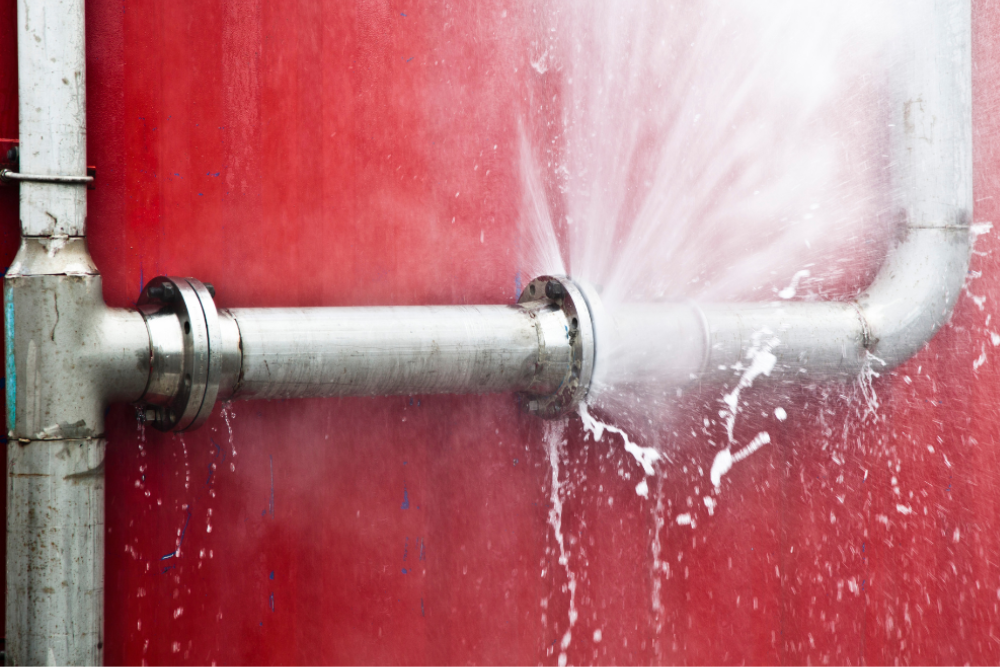
Why Pipes Burst More Often in Dubai
Three conditions specific to this city combine in a way most plumbing systems weren't designed to handle indefinitely.
Hard water and mineral scale
Dubai's water supply carries a high mineral content. In copper and galvanized steel pipe, still common in properties built before polymer pipe became standard, minerals deposit on the interior wall over years. The pipe thins from the inside out while looking completely normal from the outside. By the time a pinhole leak appears, the surrounding section is usually already compromised. A sudden pressure spike then finds the weakest point.
Extreme thermal cycling
Dubai's temperature swings are larger than most residents realize. Summer surfaces exceed 50°C in direct sun; winter nights drop to 10 to 15°C. That's a 35 to 40 degree swing, and metal pipe running through roof spaces, external walls, and exposed outdoor sections expands and contracts with every cycle, hundreds of times a year, stressing joints and solder points a little more each time. A joint fine in January can fail in July, not because anything changed suddenly, but because the two hundredth expansion cycle was the one that finally cracked it.
High pressure in aging systems
Normal residential water pressure sits between 40 and 80 PSI. Anything consistently above that puts the system under stress it wasn't designed to handle long-term. This is a particular problem in residential towers and older villa communities, where booster pumps maintain pressure across multiple floors and pressure-reducing valves haven't been serviced or recalibrated in years. A regulator that's drifted out of calibration can push a building's pressure well past 80 PSI without anyone noticing until a weak joint gives out.
These three factors compound. A copper pipe already thinned by mineral scale, cycling through 35 degree daily temperature swings, running at pressure above what it was designed for: that's not a question of if it bursts, but when and where. None of these conditions alone would typically cause a failure. Together, over years, they narrow the margin between normal operation and rupture until an ordinary Tuesday becomes an emergency call.
Pipe Material Vulnerability in Dubai Conditions
Not every pipe material fails the same way under these conditions. Knowing what's running through your property changes what to watch for. Typical working lifespan before problems become likely, given Dubai's water and climate:
If your property was built before the mid-2000s, there's a reasonable chance some sections still run copper or galvanized steel, even if later renovations introduced PPR elsewhere. Mixed-material systems are common in older Dubai buildings, and knowing which material is behind a given wall before an emergency happens is exactly the kind of detail our camera survey confirms on the first visit rather than leaving to guesswork.
Signs a Pipe Is About to Burst
Bursts rarely happen with zero warning. The signs are just easy to miss until you know what to look for.
A quiet, unexplained drop in water pressure
Discolouration spreading across a wall or ceiling that you can't explain
Tiles lifting or warping at floor level
A water bill that's crept up with no change in usage
Banging or knocking sounds in the walls ("water hammer")
Discoloured water, especially a rust or brown tint
Any one of these alone isn't necessarily an emergency, but two or more together, especially with older copper or galvanized pipework, is worth a professional inspection before it becomes a burst instead of a scheduled repair. Catching it at this stage is almost always cheaper and less disruptive than waiting for the pipe to fail outright.
What to Do in the First 10 Minutes
Before the plumber arrives, these steps limit the damage more than anything that happens afterward.
Shut off the main water valve
In most Dubai villas, this sits near the water meter, usually outside the front wall or in a utility room. In apartments, it's typically in the laundry room, under the kitchen sink, or behind a hallway access panel. Turn it clockwise until it stops. This cuts pressure to the leak, and flooding slows and stops as the pipes empty rather than continuing to flow.
Cut power if water is near anything electrical
Water and live electrical components are genuinely dangerous together. Go to the central distribution board and switch off the circuit for the affected area rather than touching any switch or outlet that might be wet.
Drain remaining pressure from taps
Once the main valve is off, open a few taps to relieve pressure still in the system. This reduces the amount of water still working its way out through the burst point while a technician is on the way.
Contain what you can
Towels, buckets, and moving valuables away from the affected area buy time until a technician arrives. Don't open walls or ceilings yourself to "get at" the pipe; that usually turns a contained problem into a bigger repair than it needed to be.
Photograph the damage
Before cleanup starts, a few photos of standing water, damaged flooring, and the affected area support both your insurance claim and your DEWA bill adjustment request later on.
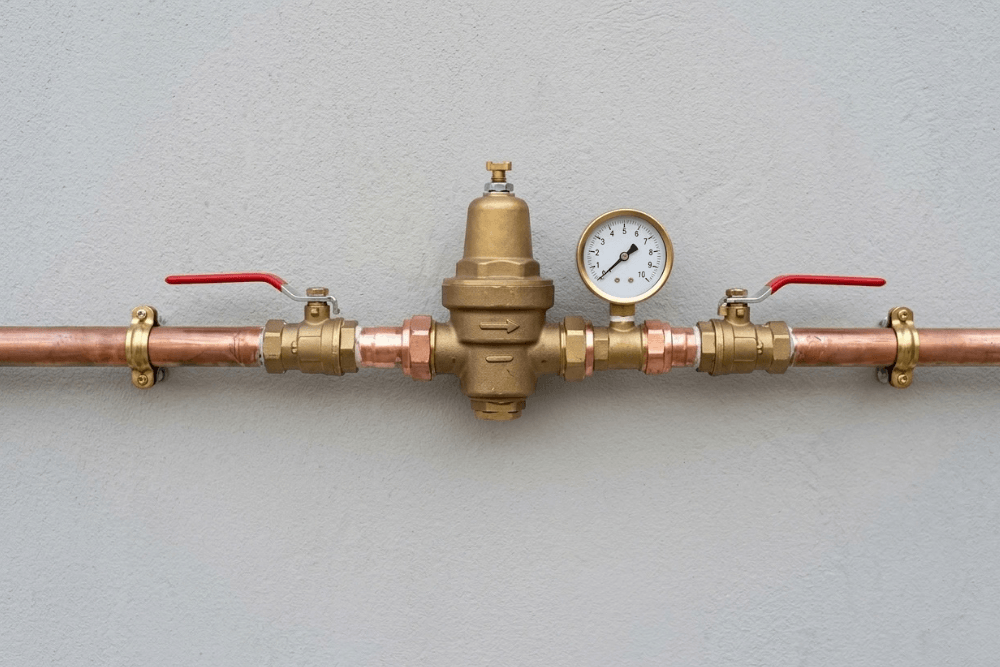
If you can't locate the shutoff valve, call and a dispatcher can talk you through finding it based on your building type while a technician is on the way.
Real Results, Not Just a Claim
Every burst pipe job gets pressure tested and documented. Here's what a repair actually looks like.
Before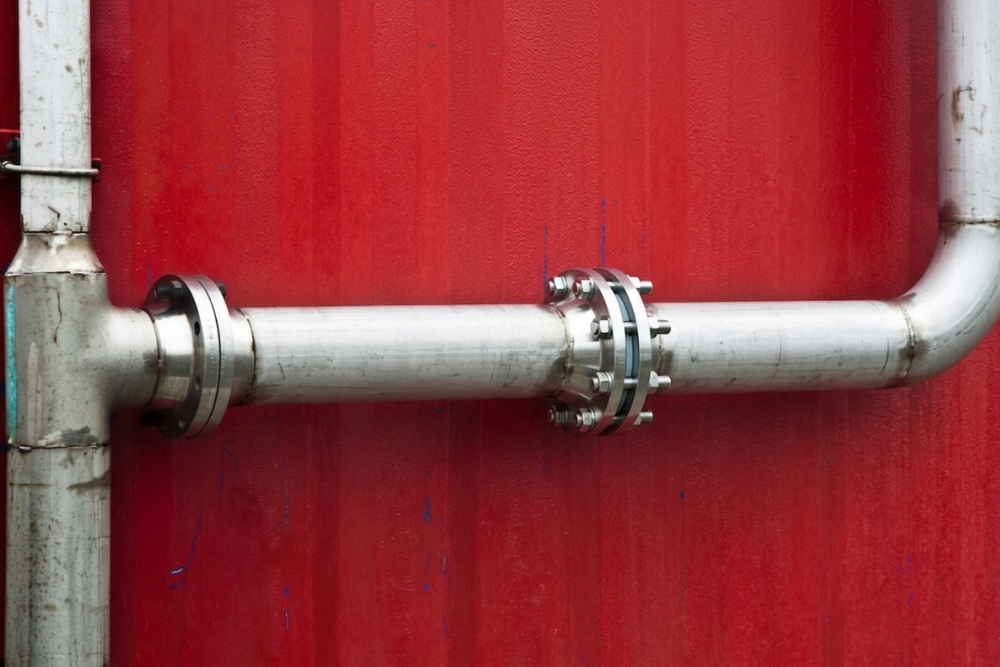 After
AfterBurst Supply Line, Fitting Replacement
Damaged section isolated, replaced with a matching fitting, and pressure tested before sign-off. The surrounding pipe was also inspected on camera to confirm the failure was isolated rather than a sign of wider corrosion needing attention.
How We Repair a Burst Pipe
Inspection
We locate the exact failure point using leak detection tools and pressure testing rather than guessing based on where water is surfacing. Water travels along the path of least resistance before it appears, so the visible wet patch is rarely directly above or below the actual break. Acoustic detection and thermal imaging pinpoint the failure without opening walls speculatively.
Isolation
The damaged section is isolated so repair work doesn't require shutting down water to the entire property longer than necessary. In multi-unit buildings this often means isolating a specific riser or branch rather than the whole building's supply, minimizing disruption to neighboring units.
Repair or reroute
Small, accessible damage gets a direct fitting replacement, usually the fastest and least invasive option. More extensive damage, or surrounding pipe showing the same corrosion or fatigue that caused the original burst, gets rerouted instead of patched. We explain which situation applies to your property, and why, before starting.
Pressure testing
Once repaired, the line is pressure tested before the job is complete, confirming the fix holds under real operating pressure, not just that water stopped visibly leaking. A repair that looks fine at low pressure can still fail once the system returns to normal operating pressure.
Documentation
You receive a written report confirming the repair, including what was found, what was done, and the pressure test result. This is also what you'll need for the DEWA bill adjustment and insurance steps.
Repair vs. Reroute
A straightforward patch isn't always the right call, and knowing the difference protects you from paying for a repair that fails again in a few months.
| Approach | When It Applies |
|---|---|
| Repair (patch/replace a section) | Damage is localized, surrounding pipe is in good condition, and material/age don't suggest a systemic problem |
| Reroute | The burst is one symptom of broader corrosion, the pipe is old enough that nearby sections are likely at similar risk, or a second repair visit in a few months would cost more than doing it properly once |
Repair (patch/replace a section)
- When It Applies
- Damage is localized, surrounding pipe is in good condition, and material/age don't suggest a systemic problem
Reroute
- When It Applies
- The burst is one symptom of broader corrosion, the pipe is old enough that nearby sections are likely at similar risk, or a second repair visit in a few months would cost more than doing it properly once
Burst Pipes by Property Type
Villas
The main shutoff valve is usually outside, near the water meter, faster to reach than most apartment setups. But villas also have more exposed exterior pipework (garden irrigation, outdoor taps, roof-space runs) subject to the most direct thermal cycling. Root intrusion from mature landscaping is an additional risk for underground sections in older villa communities, and a burst under a garden or driveway can go unnoticed longer than one inside living space.
Apartments
Shutoff valves are typically inside the unit: laundry room, under the kitchen sink, or behind a hallway access panel. A burst in a mid-floor apartment can affect the unit below within minutes, which is why speed of response is often judged by what reaches downstairs as much as by your own damage. Notify building management immediately; many towers have a riser-level shutoff that avoids cutting water to the whole block.
Commercial properties
Shared risers and stack lines mean a single burst can affect multiple tenants or floors simultaneously. Facilities teams typically need documentation for both the repair and any business interruption, which is why a written service report matters more here than in a typical residential job. Commercial properties also frequently have larger-diameter supply lines, meaning a burst releases water at a higher volume, making rapid isolation an even higher priority.
DIY Temporary Fix vs. Calling a Professional
Shutting off the main valve is the one DIY step that genuinely helps. Beyond that, the honest answer is that most temporary fixes buy time, not a solution.
Waterproof pipe tape or a repair clamp can reduce leaking once the water is shut off and pressure drained, useful for containing a situation overnight. But neither restores the pipe's structural integrity. Resuming full pressure with only a temporary fix in place risks the same failure recurring, often worse, and often without the same warning the first time gave you.
A licensed plumber replaces or reroutes the actual compromised section, pressure tests the fix, and can assess whether the failure point was isolated or a sign of broader corrosion that causes a repeat call in a few months if left unaddressed. That assessment isn't something a tape patch can tell you, and it's the difference between paying for one proper repair and paying for the same emergency callout twice.
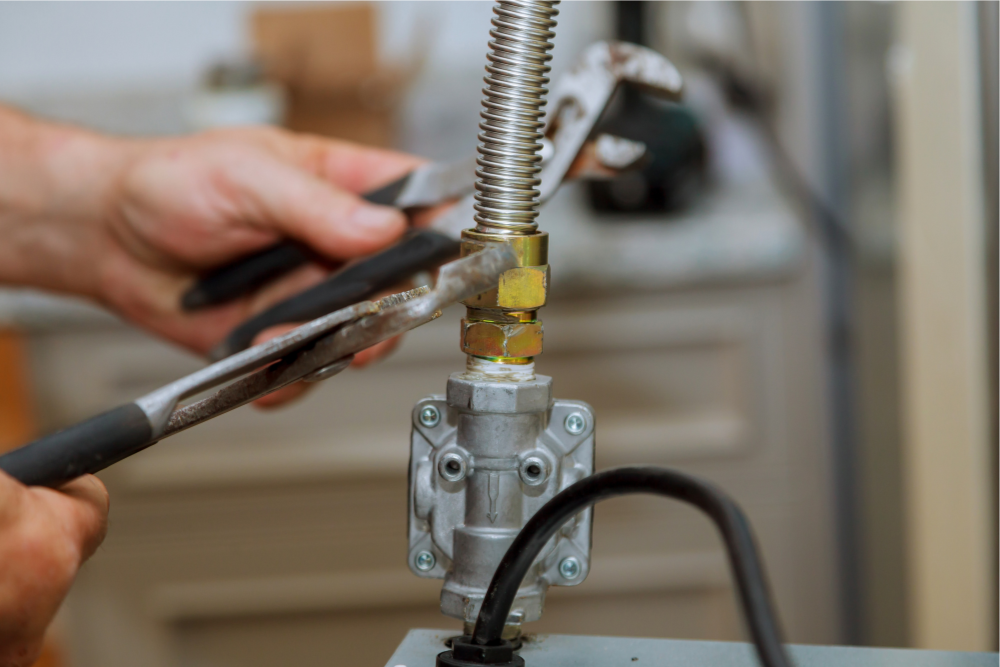
Burst Pipe Repair Cost in Dubai
Cost depends heavily on where the damaged pipe actually is, which is why a single flat number doesn't mean much.
| Scenario | Typical Dubai Price Range |
|---|---|
| Exposed, easily accessible pipe (utility room, under sink) | AED 300 - 600 |
| Concealed in a wall (accessible via existing panel or minor opening) | AED 500 - 1,200 |
| Under-slab or deep wall cavity (locating + access work needed) | AED 800 - 2,500+ |
| Emergency callout (nights, weekends, public holidays) | AED 250 - 500 additional |
| Water damage restoration (drying, flooring, replastering) | Quoted separately |
Exposed, easily accessible pipe (utility room, under sink)
- Typical Dubai Price Range
- AED 300 - 600
Concealed in a wall (accessible via existing panel or minor opening)
- Typical Dubai Price Range
- AED 500 - 1,200
Under-slab or deep wall cavity (locating + access work needed)
- Typical Dubai Price Range
- AED 800 - 2,500+
Emergency callout (nights, weekends, public holidays)
- Typical Dubai Price Range
- AED 250 - 500 additional
Water damage restoration (drying, flooring, replastering)
- Typical Dubai Price Range
- Quoted separately
The pipe repair itself is usually the smallest number here. The bigger cost, if the burst sits unaddressed, is the damage around it. Flooring, replastering, and mould remediation escalate quickly the longer water sits, which is the real argument for fast response over shopping around during an active leak. A quote that seems higher but arrives within the hour is frequently the cheaper option once the alternative is measured in additional hours of standing water.
Emergency callouts (nights, weekends, public holidays) typically add AED 250 to 500 on top of the repair itself, but that premium is almost always smaller than the cost of letting an active burst run overnight while waiting for a scheduled slot.
Two Things Worth Knowing After a Burst
Most plumbing companies stop at the repair. These two steps are the difference between absorbing the full cost of a burst and getting some of it back, and they only work if you know to do them before too much time passes.
Getting Your DEWA Bill Adjusted
A burst pipe can leak hundreds of liters before it's stopped, and that water passes through your meter on the way out, meaning DEWA counts it as normal consumption unless you take a specific step afterward. Most residents don't realize this adjustment exists until they see the bill and it's too late to do anything but pay it.
Once the leak is repaired, request a repair certificate from the plumber who completed the work. This confirms the fault, the repair date, and that the excessive consumption was due to a leak rather than usage. Submit it to DEWA with a bill adjustment request through their customer portal or a service center. DEWA reviews the consumption spike against the repair date and can adjust the affected billing period.
What you need: the repair certificate (we issue this automatically after every burst pipe job), your DEWA account and premise details, and ideally the photos taken during the incident. Submitting promptly, rather than waiting for the next bill cycle, generally makes the process faster. The clearer the connection between your consumption spike and the repair date, the more straightforward the adjustment tends to be.
What Your Insurance Actually Covers
Most home insurance policies in Dubai cover damage caused by a burst pipe: damaged flooring, furniture, and what's known as "trace and access" costs, meaning the cost of locating the source of the leak, including opening a wall or floor if necessary. For many claimants, trace and access is the single largest line item.
What's typically excluded: the cost of repairing the pipe itself is frequently not covered if the damage is attributed to lack of maintenance rather than sudden accidental failure. An insurer reviewing a claim may ask whether there was any prior indication of a problem (a previous small leak, a known pressure issue, visible corrosion) that wasn't addressed. This is part of why the warning signs covered earlier in this page matter beyond just prevention: ignoring them can also affect how a subsequent claim gets assessed.
What to do: check your policy wording for trace and access coverage and any maintenance-related exclusion before assuming a claim will be straightforward. Photos, the repair certificate, and a clear timeline all support a claim regardless of how your policy is written. We provide documentation formatted to support an insurance claim on request.
Preventing the Next One
Test water pressure annually
If it's consistently above 80 PSI, a pressure-reducing valve, or recalibrating an existing one, is far cheaper than another emergency repair. This single check catches the most common root cause before it becomes a burst, and takes a technician only a few minutes.
Inspect older copper and galvanized pipe
Every few years for properties over 10 to 15 years old, since internal corrosion doesn't show from outside until it's already advanced. An inspection can include a simple internal camera pass on accessible sections for a real picture rather than a guess based on age alone.
Insulate exposed pipework
Roof spaces and external walls see the most direct thermal cycling. Even basic pipe lagging reduces the temperature swing the pipe experiences daily, meaningfully extending joint and solder point life.
Address small leaks immediately
A pinhole leak today is frequently the early sign of the same corrosion that leads to a burst in the same section later. Treating it as a minor nuisance rather than an early warning is the most common way a manageable repair becomes an emergency one.
Know your shutoff valve location
Costs nothing, takes five minutes, and is the single biggest factor in how much damage a burst causes, since every minute before the water is shut off is a minute of unrestricted flow.
High pressure is behind many repeat bursts in lower-floor apartments and pumped villas. Our pressure reducing valve page shows how to test yours and what a correct setting looks like.
When Bursts Spike in Dubai
Burst pipe calls aren't evenly distributed across the year. The shoulder seasons, when daily temperature swings are largest, put the most cumulative stress on pipe joints already weakened by a full summer of thermal cycling. Late summer, after months of sustained heat exposure, is when accumulated stress on aging joints tends to show up as an actual failure rather than just a slow leak. If your property has older pipework, scheduling an inspection before peak summer, rather than during it, avoids being one of that season's emergency calls, and gives a technician time to recommend a fix before the hottest months put the most stress on whatever's already weakened.
What You're Actually Getting
What you're actually paying for, whether it's a small pinhole or a full section replacement.
24/7 emergency response
Every day, all year, including public holidays. Dispatched immediately, not scheduled for later in the day like many competitors' emergency lines actually work in practice.
Leak detection before repair
We locate the exact failure point with acoustic and thermal tools, not guesswork, minimizing unnecessary wall or floor access and the cost that comes with it.
Every repair pressure tested
Confirming the fix holds under real operating pressure, not just that the leak stopped visibly, before we consider any job complete.
Repair certificate on every job
Automatically issued, no need to request it separately, ready for your DEWA bill adjustment and insurance claim whenever you need it.
Fixed quote before work starts
Based on the inspection, not an estimate that grows once we're already inside your walls or under your slab.
Licensed and insured
Dubai Municipality compliant work carried out by our own technicians, so you know who's actually in your home and what they're qualified for.
Serving All of Dubai
From older Deira apartments still running copper and galvanized pipe to brand-new PVC installations in JVC and Dubai Hills, our technicians carry equipment covering every scenario, day or night.
Every van carries fitting stock for the most common Dubai pipe materials, leak detection equipment, and a pressure tester, so most jobs are completed in a single visit rather than requiring a return trip once the exact parts needed are identified.
Burst Pipe Repair FAQ
What's the difference between a leak and a burst pipe?
Why do so many pipes burst in Dubai specifically?
How quickly can you respond to an emergency?
Will you need to break my walls to fix a concealed pipe?
How do I get my DEWA bill adjusted after a burst pipe?
Does my insurance cover a burst pipe?
Can I temporarily fix a burst pipe myself while waiting for a plumber?
What pipe materials are most at risk in Dubai?
Is emergency burst pipe repair more expensive than a scheduled repair?
Do you provide documentation for insurance claims?
My water pressure seems fine. Why would I still be at risk?
Is a burst pipe covered under a typical Dubai tenancy agreement, landlord or tenant responsibility?
What's the most common time of year for burst pipes in Dubai?
Can a burst pipe affect my neighbors, and who's responsible if it does?
How do I find my shutoff valve before an emergency happens?
Is a burst pipe an emergency even if the water seems to have stopped on its own?
Burst Pipe? WhatsApp Now, Before More Damage
Every minute without the main valve shut off is a minute of unrestricted flow. Every hour without a repair is more flooring, more replastering, more risk of mould.
Licensed plumbers, pressure-tested repairs, and a repair certificate on every job for your DEWA bill and insurance claim.
Licensed & insured. 24/7 emergency response. All areas of Dubai.