Copper Pipe Leak Repair Cost Dubai
A copper pipe leak rarely announces itself the way a burst pipe does. Instead of a sudden spray, it's usually a small damp patch, a faint hiss behind a wall, or a water bill that's crept up for no obvious reason.
By the time it's visible, the pipe has often been failing slowly for months. This page breaks down the real cost, the real cause, and how to tell if your building is in the higher-risk age window. Property built since 2010? It's probably PPR, not copper and fails differently.
Dealing with a sudden burst rather than a slow leak? Our burst pipe repair page covers that situation specifically, with its own emergency pricing and process.
AED 150+
Accessible pinhole repair
2000-10
Higher-risk building era
4
Repair methods, matched to wear
Why Copper Pipes Develop Pinhole Leaks in Dubai
Copper is durable almost everywhere it's installed. Dubai's specific water and pressure conditions put more stress on it than most cities do, and understanding why explains what you're actually paying to fix.
The water itself carries dissolved minerals
Municipal water here isn't pure H2O; it carries a measurable load of dissolved solids that, over years, interact with the interior copper surface. Left undisturbed, this slowly wears a thin spot into the pipe wall from the inside, invisible from the outside until the wall finally gives way and water starts weeping through what's now a genuine hole, not a crack or a joint failure. This is fundamentally different from a burst pipe: a burst is sudden mechanical failure, while a pinhole leak is the end result of years of slow interior erosion with no external warning until the very end of that process.
Residential pressure often exceeds fitting design
Most domestic plumbing components, valves, flexible hose connectors, angle stops, are engineered around a lower baseline pressure than what actually reaches many Dubai properties day to day. Running consistently above that baseline doesn't cause instant failure, but it accelerates wear on every weak point, including thin spots already forming inside aging copper. A pressure-reducing valve brings incoming pressure back down to a range fittings were actually built for, one of the few interventions that genuinely slows the whole process rather than treating symptoms one leak at a time as they surface.
Heat cycling adds a second layer of stress
Copper expands and contracts with Dubai's daily temperature swings, particularly through roof spaces or exterior walls. Combined with interior mineral wear, a section already thinning from the inside is more likely to be the one that finally gives out under thermal stress, rather than a section still at full wall thickness. The cycling itself isn't damaging to healthy copper; it becomes the final push for a section already weakened by years of interior wear working against it from within.
None of these three factors alone would typically cause a failure on any reasonable timeline. Together, compounding year after year, they explain why Dubai sees copper pinhole leaks at a rate that surprises people used to softer water and milder climates, and why we treat a single pinhole leak as information about the whole system rather than an isolated event that just happened to occur once and won't happen again.
Signs of a Hidden Copper Leak
Most pinhole leaks don't announce themselves. These are the quiet signals worth paying attention to before a small leak becomes a bigger repair.
A water bill that's crept up without a clear change in usage
A faint hissing sound behind a wall, especially noticeable at night when the property is quiet
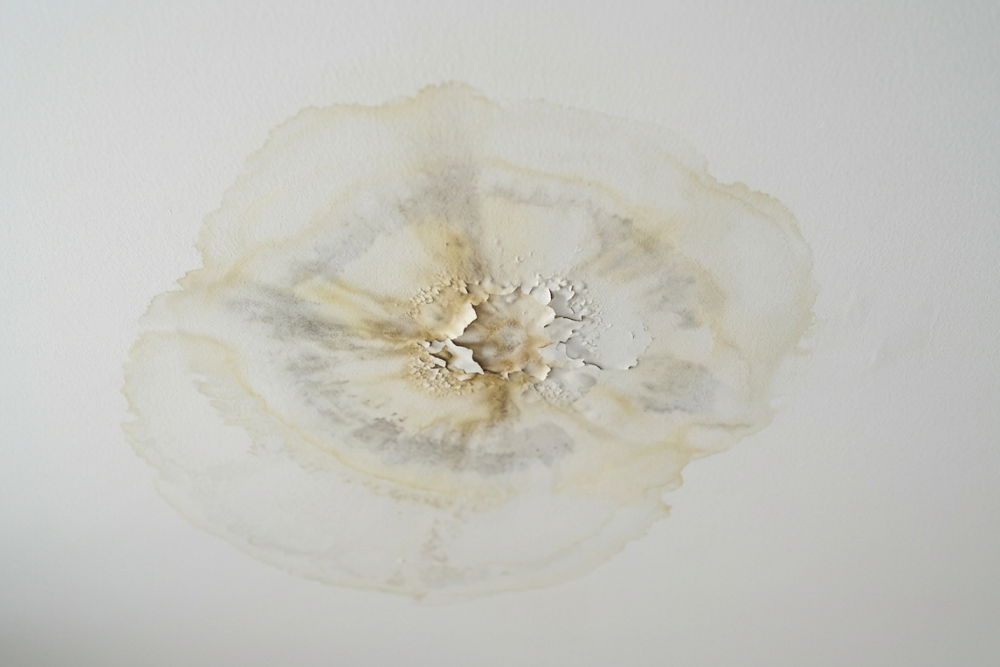
Bubbling or peeling paint on an interior wall, even in a small area
A musty smell in one area of the property without an obvious source
Warm patches on a floor or wall if the leak is on a hot water line
Reduced water pressure at one specific fixture while others seem normal
Is Your Building in the Higher-Risk Age Window?
Copper pipe doesn't fail on a fixed schedule, but there's a rough pattern worth knowing if you're trying to gauge your own risk before a leak actually happens.
Buildings constructed roughly between 2000 and 2010 are currently sitting in the age range where interior wall thinning from mineral wear has had enough time to progress toward failure, without yet reaching the point where a full system replacement is the obvious answer. This isn't a hard rule: a well-maintained building can outperform this window, and a poorly maintained newer one can underperform it. But if your property falls in that construction era and you haven't had any copper sections inspected, treat a first pinhole leak as a signal, not an isolated event.
Worth knowing: once one section develops a pinhole leak, other sections installed at the same time, from the same supply, exposed to the same conditions, are frequently at a similar stage of wear even if they haven't failed yet. Fixing one spot and getting called back six weeks later for a different spot ten feet away is a common, avoidable pattern, and usually costs more across two visits than one broader inspection would have upfront.
Properties built after roughly 2010 increasingly use PPR or PEX rather than copper, sidestepping this specific failure mode, though these materials have their own considerations around joint quality and heat exposure over time. Not sure what runs through your property? A camera inspection or a visual check during any service visit can confirm it, and it's a reasonable question to ask during any unrelated plumbing callout if you've never had it checked before.
Repair Methods: What Actually Fits Your Situation
Not every copper leak needs the same fix, and the right method depends on the extent of wear, not just the size of the current leak.
| Method | How It Works | Best For | Limitations |
|---|---|---|---|
| Epoxy patch | Sealant applied directly over a small, isolated pinhole | A single, recently discovered leak in an otherwise sound section | Doesn't address wear elsewhere; a genuinely temporary fix in most cases |
| Joint cut and replace | The damaged section is cut out and a new fitting soldered in | Localized damage where surrounding pipe tests sound | Requires access to the exact section; not ideal if wear is spread out |
| Section reroute | A length of pipe is rerouted using new material, bypassing the compromised run | Multiple leaks in the same area, or wear at more than one point | More labor and material, but addresses the underlying pattern |
| CIPP relining (trenchless) | A resin liner installed inside the existing pipe without breaking floors or walls | Slab-embedded runs where excavation means major demolition | Higher upfront cost, best suited to access-constrained situations |
Epoxy patch
- How It Works
- Sealant applied directly over a small, isolated pinhole
- Best For
- A single, recently discovered leak in an otherwise sound section
- Limitations
- Doesn't address wear elsewhere; a genuinely temporary fix in most cases
Joint cut and replace
- How It Works
- The damaged section is cut out and a new fitting soldered in
- Best For
- Localized damage where surrounding pipe tests sound
- Limitations
- Requires access to the exact section; not ideal if wear is spread out
Section reroute
- How It Works
- A length of pipe is rerouted using new material, bypassing the compromised run
- Best For
- Multiple leaks in the same area, or wear at more than one point
- Limitations
- More labor and material, but addresses the underlying pattern
CIPP relining (trenchless)
- How It Works
- A resin liner installed inside the existing pipe without breaking floors or walls
- Best For
- Slab-embedded runs where excavation means major demolition
- Limitations
- Higher upfront cost, best suited to access-constrained situations
Our practical approach: a single, first-time pinhole leak in an otherwise sound section usually gets a direct repair, a joint replacement rather than just an epoxy patch, since epoxy alone tends to be a short-term measure. If the inspection shows wear at multiple points, or the property fits the higher-risk age profile with no prior copper work, rerouting or a broader assessment is the honest recommendation, even though it's a bigger job than patching the one spot you called about.
PPR & PEX Pipe Leak Repair
Most Dubai properties built since roughly 2010 run PPR rather than copper, and PEX shows up in some retrofits and villa installations. Both fail differently to copper, and differently to each other, worth understanding before assuming the same fix applies.
A poorly fused weld joint
PPR pipe is joined by heating the pipe end and fitting until they fuse into one piece. Too much heat, too little, or the pipe pushed in at the wrong angle produces a joint that's structurally weak from the day it was installed, even though it looks fine and holds initially. These joints tend to fail as a slow weep at the joint itself, not a mid-pipe leak, which is the tell that points toward installation quality rather than the pipe material wearing out.
UV exposure on an unshaded run
PPR pipe run externally or through an unshaded rooftop section degrades under direct UV over years, becoming brittle and prone to cracking at a rate standard indoor pipe never experiences. This is specific to exposed runs, irrigation risers, exterior wall drops, rooftop tank connections, rather than anything concealed inside a wall or ceiling.
Mechanical damage during other work
A nail, screw, or drill bit through a wall-chased pipe during shelving, mounting, or renovation work is a common, sudden cause of a PPR or PEX leak that has nothing to do with the pipe's age or installation quality. This typically shows up immediately or very soon after the work that caused it, which is the clue that separates it from a wear-related leak.
PEX-specific: a failed crimp or compression fitting
Unlike PPR, PEX is usually joined with a crimp ring or compression fitting rather than heat fusion. A ring crimped slightly off-spec, or a fitting not seated fully before crimping, creates a joint that can weep slowly from day one or loosen gradually under normal pressure cycling. Sharp, tight bends in PEX tubing can also stress-crack the material over time if it was installed without the manufacturer's minimum bend radius respected.
The practical difference from copper: a copper pinhole leak is a sign of gradual, system-wide wear worth investigating further. A single PPR joint leak or a PEX fitting failure is much more often an isolated installation or damage issue, fix that one joint properly and there's usually no reason to assume the rest of the run is at similar risk, unless several joints from the same original installation start failing in succession, which does point toward a systemic workmanship issue with whoever did the original fit-out. At that point a section repipe is usually better value than repairing joints one by one.
PPR & PEX Repair Cost
| Scenario | Typical Dubai Price Range |
|---|---|
| PPR joint reweld, accessible | AED 150 - 350 |
| PPR joint requiring wall/ceiling access | AED 350 - 800 |
| PEX fitting/crimp replacement | AED 150 - 300 |
| Section replacement (UV-damaged or mechanically punctured run) | AED 300 - 900 |
| Camera inspection to locate a concealed joint leak | AED 200 - 800 |
PPR joint reweld, accessible
- Typical Dubai Price Range
- AED 150 - 350
PPR joint requiring wall/ceiling access
- Typical Dubai Price Range
- AED 350 - 800
PEX fitting/crimp replacement
- Typical Dubai Price Range
- AED 150 - 300
Section replacement (UV-damaged or mechanically punctured run)
- Typical Dubai Price Range
- AED 300 - 900
Camera inspection to locate a concealed joint leak
- Typical Dubai Price Range
- AED 200 - 800
Not sure what material runs through your property? A visual check during any service visit confirms it, copper has a distinct metallic appearance, PPR is typically grey or green rigid plastic, and PEX is a flexible plastic tubing, usually red or blue for hot/cold marking.
Copper Pipe Leak Repair Cost in Dubai
Real numbers by scenario, not one blanket figure that doesn't account for how different one copper leak can be from another.
| Scenario | Typical Dubai Price Range |
|---|---|
| Single pinhole leak, exposed and accessible | AED 150 - 400 |
| Pinhole leak requiring wall or ceiling access | AED 400 - 900 |
| Joint cut and replace, single section | AED 300 - 700 |
| Section reroute (multiple wear points) | AED 800 - 2,500 |
| CIPP trenchless relining (slab-embedded) | AED 1,500 - 5,000+ |
| Camera inspection to locate hidden leak | AED 200 - 800 |
| Broader inspection after first leak | AED 300 - 600 |
Single pinhole leak, exposed and accessible
- Typical Dubai Price Range
- AED 150 - 400
Pinhole leak requiring wall or ceiling access
- Typical Dubai Price Range
- AED 400 - 900
Joint cut and replace, single section
- Typical Dubai Price Range
- AED 300 - 700
Section reroute (multiple wear points)
- Typical Dubai Price Range
- AED 800 - 2,500
CIPP trenchless relining (slab-embedded)
- Typical Dubai Price Range
- AED 1,500 - 5,000+
Camera inspection to locate hidden leak
- Typical Dubai Price Range
- AED 200 - 800
Broader inspection after first leak
- Typical Dubai Price Range
- AED 300 - 600
What moves the price within these ranges: how accessible the pipe is, whether a wall or ceiling needs opening, how many separate wear points are found once a technician actually looks, and whether work needs to happen around fixtures that complicate access. A quote given over the phone before anyone has seen the pipe is, at best, a rough estimate; the real number comes after inspection, not before.
What an Undetected Leak Costs on Your DEWA Bill
A burst pipe gets noticed and stopped within hours simply because it's dramatic, hundreds of liters an hour is impossible to ignore. A pinhole leak can run at a slow, steady seep for weeks or months before anyone realizes what's causing a higher water bill, especially inside a wall cavity with no visible sign until moisture finally reaches a surface, by which point it's usually been running far longer than anyone realizes.
Even a modest, slow leak adds up over a billing cycle in a way that's easy to underestimate. A drip too small to notice audibly can still add a meaningful amount to a monthly bill once it's been running continuously for weeks, and the true cost is almost always higher than people expect once they actually calculate it.
Beyond the water cost, a leak inside a wall risks mold growth and structural damage to drywall, insulation, or flooring the longer it continues, costs that dwarf the repair itself if it runs long enough undetected. If you've noticed a water bill increase without explanation, that alone is worth a leak inspection, even without visible damage yet.
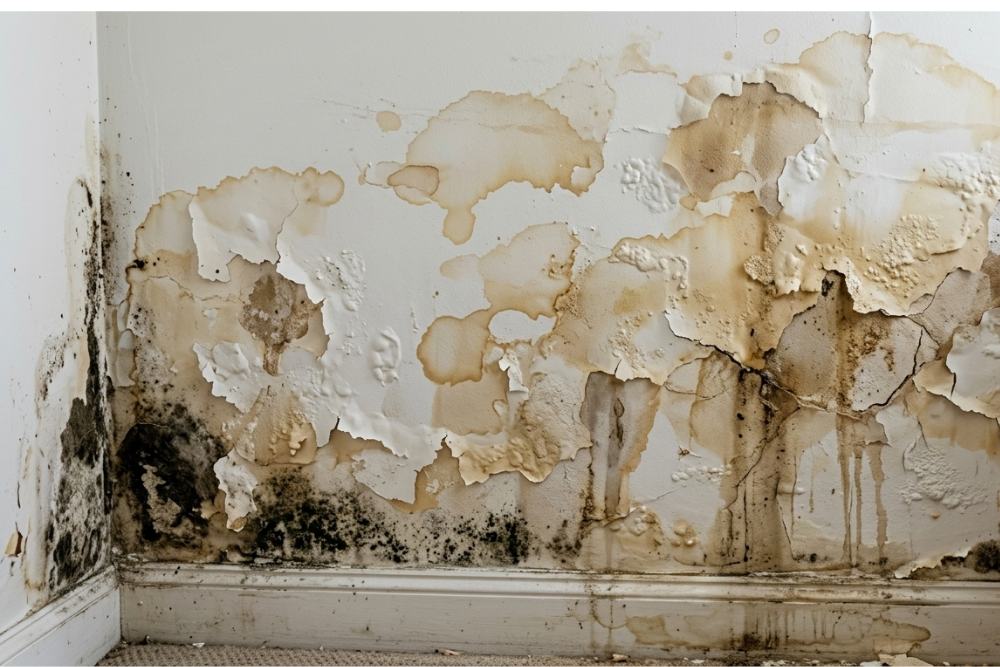 Left Undetected
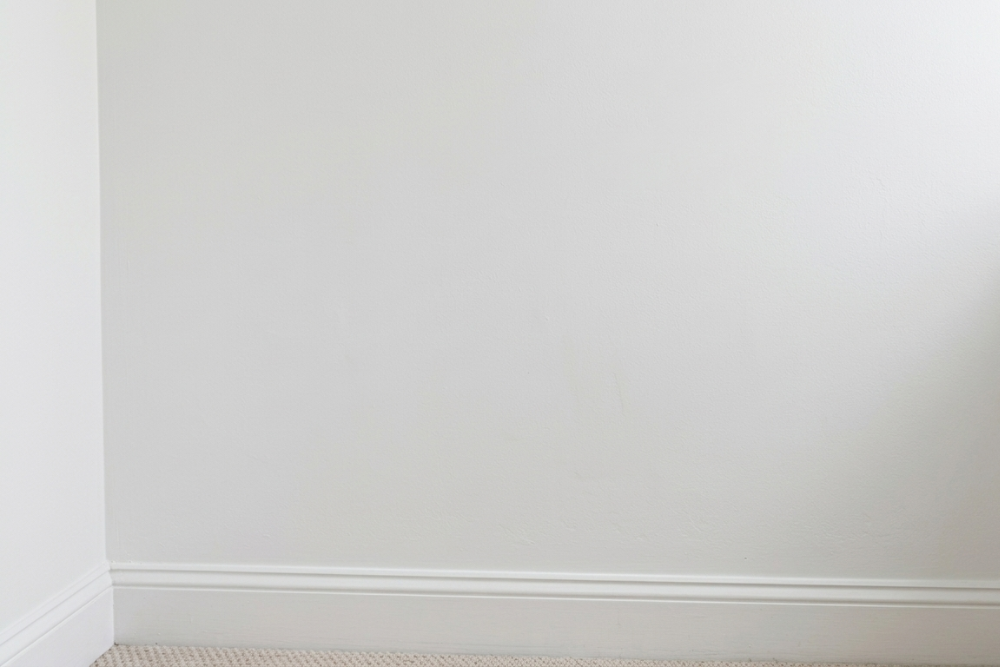 Caught Early
What to Tell Us When You Call
A few details, gathered before you message us, help a technician arrive with the right approach and often the right parts already on the van.
None of this takes more than a minute to think through, and it genuinely changes how quickly a technician can diagnose the actual cause once they're on-site rather than starting from zero.
Is it hot or cold water?
This tells us which pipe run to check first, since hot and cold lines are often routed differently through a property, and narrowing this down saves diagnostic time on arrival.
When did you first notice it?
A leak noticed today that's clearly been running for a while, based on staining or water damage extent, gets treated differently than one that's genuinely just started.
Constant, or does it come and go?
A leak that only appears when certain fixtures are used points toward a specific branch line rather than a main supply run, which changes where we look first.
Any prior copper repairs?
If so, roughly when and where. This helps us understand whether we're looking at an isolated new issue or a continuation of wear in a system that's already shown problems.
What year was the property built?
Relevant to the risk-window discussion above, and worth mentioning even if you're not certain of the exact year the property was constructed or last re-piped.
How We Repair a Copper Pipe Leak
Inspection & location
We confirm the exact leak point using visual inspection, and where it isn't visible, acoustic detection or thermal imaging to avoid opening more of a wall or ceiling than necessary. Guessing at a location wastes time and unnecessary repair work.
Check the surrounding pipe
Given how often copper wear clusters, we check nearby sections of the same run before deciding on a method, rather than patching one spot and moving on to the next call entirely.
Select the right method
A direct repair for isolated, sound surrounding pipe. A reroute or broader recommendation where wear is present at multiple points or the property fits the higher-risk age profile.
Pressure test before sign-off
The repaired section is tested under real operating pressure, not just checked for dryness, before the job is considered complete. A repair that looks dry immediately can still fail later.
Written report
What was found, what was done, and a note on surrounding pipe condition, useful for your records and for tracking whether a future leak is related to this one.
What You're Actually Getting
The honest version of what most companies just call 'quality service.'
We check the whole run, not just the leak
Copper wear tends to cluster along the same pipe run, so we inspect surrounding sections before recommending a fix, catching a second weak point before it becomes its own callout a few weeks later.
Method matched to what we actually find
Epoxy, joint replacement, reroute, or CIPP relining, chosen based on the extent of wear on-site, not a default answer given before anyone's actually looked at the pipe.
Pressure tested before sign-off
Every repair is tested under real operating pressure, not just checked for dryness, before we consider the job done and hand it back to you.
Fixed price after inspection
A phone quote before anyone's seen the pipe is a guess dressed up as a number. We confirm the price once we've actually assessed the leak and the surrounding section properly.
Written report on every job
What was found, what was done, and the condition of the surrounding pipe, useful for your records and for any future service call on the same property.
Licensed and insured
The same standard on a AED 200 pinhole patch as on a full section reroute, since we don't scale down quality for the smaller jobs.
Serving All of Dubai
From older Deira and Bur Dubai apartments most likely to carry aging copper supply lines, to newer developments built on PPR and PEX, our technicians carry equipment covering every scenario.
Every van carries stock for the most common repair methods, epoxy compound, fittings for joint replacement, and reroute materials, so most single-leak jobs are completed in one visit rather than requiring a return trip once the exact scope is confirmed on-site.
Pipe Leak Repair FAQ: Copper, PPR & PEX
Why do copper pipes get pinhole leaks specifically, rather than just bursting like other pipe materials?
How much does it cost to repair a single copper pipe leak in Dubai?
Is my building at higher risk if it was built between 2000 and 2010?
Can a copper pipe leak be fixed with epoxy, or does it need to be cut and replaced?
What's CIPP relining, and when do I need it instead of a normal repair?
How do I know if a leak is copper-specific rather than a different pipe material?
Will fixing one pinhole leak mean I'm done, or should I expect more?
Does home insurance cover copper pipe leak repair in Dubai?
How long does a typical copper pipe leak repair take?
Should I get a pressure-reducing valve installed to prevent future leaks?
Can a copper pipe leak in one apartment affect the unit below in a shared building?
Is it worth replacing all the copper pipe in an older property at once rather than repairing leaks as they happen?
Can I use a pipe repair clamp myself as a temporary fix while waiting for a plumber?
Do commercial properties see copper pipe leaks differently than residential ones?
What's the difference between a copper pipe leak and a copper pipe joint failure?
Can I prevent copper pipe leaks entirely, or is it just a matter of time in an older property?
My property doesn't have copper pipe, it's grey plastic. Do you repair that too?
Why did my PPR pipe joint start leaking? It's not an old property.
What's the difference between how PPR and PEX pipes are joined, and does it matter for leak repair?
Found a Damp Patch? Get It Inspected Before It Spreads
A copper pinhole leak doesn't fix itself, and the longer it runs, the more it costs on your DEWA bill and in eventual damage. Most repairs finish in a single visit, and we'd rather check the surrounding pipe properly than send you away with a patch that fails again in a few weeks.
Camera inspection, honest diagnosis, fixed price before we start. Exposed pipe or slab-embedded, we have a method that fits.
Licensed & insured. All areas of Dubai.