Most plumbing maintenance advice is generic enough to apply anywhere, which means it misses the specific things that actually matter in a Dubai property: hard water accelerating wear on components most guides don't mention, thermal cycling stressing exposed pipework, and a maintenance rhythm that needs to account for both. This checklist is organised by how often each task genuinely needs doing, not an arbitrary seasonal split, with the Dubai-specific reasoning included so it's clear why each item matters here specifically.
!Quick answer
Monthly: check under sinks and behind appliances, compare your DEWA bill to last month, clear hair catchers. Quarterly: test the water heater's pressure relief valve, check irrigation zones and shutoff valves. Every 6 months: descale showerheads, check the anode rod on heaters over 2 years old, confirm water tank cleaning is current. Annually: flush the water heater and get a full pressure check. Full reasoning for each is below.
Monthly
- Run a visual check under every sink and behind the washing machine and dishwasher for dampness, corrosion, or a slow drip at the connections, these flexible hose fittings are common early failure points
- Check DEWA consumption against the previous month; a rise with no change in household usage is one of the clearest early leak indicators available and costs nothing to check
- Clear hair catchers on shower and bathroom sink drains rather than letting them fill until they're the clog themselves
- For a property with a kitchen operating any real cooking volume, confirm grease trap condition matches its required cleaning schedule
- Listen for running water when every fixture in the property is confirmed off; a faint hiss or trickle audible in a quiet room is worth investigating rather than dismissing as background noise
Quarterly
- Test the water heater's pressure relief valve by briefly lifting the test lever to confirm it releases and reseats cleanly; a stuck valve is a genuine safety issue, not just maintenance
- Check exposed or roof-space pipework for early signs of UV or thermal damage, brittleness, discolouration, or hairline cracking in the pipe surface
- Run irrigation zones individually and watch for any zone taking noticeably longer to build pressure or showing reduced coverage, an early sign of a lateral pipe leak before it shows up in the water bill
- Test that shutoff valves under sinks and behind toilets actually turn; a valve that's seized from disuse is the last thing you want to discover during an actual emergency
- Check for warm patches on tiled floors over hot water lines, or persistently cool damp patches elsewhere; both are early signs of a below-slab pipe leak worth flagging before any visible damage appears
Bi-Annually (Every Six Months)
- Descale showerheads and tap aerators by soaking in a vinegar solution; visible limescale here is a reliable sign the same buildup is happening inside less visible components like tap cartridges and water heater elements
- Check the water heater anode rod condition if the unit is over two years old; Dubai's hard water consumes this sacrificial component faster than the longer interval quoted for milder water conditions elsewhere
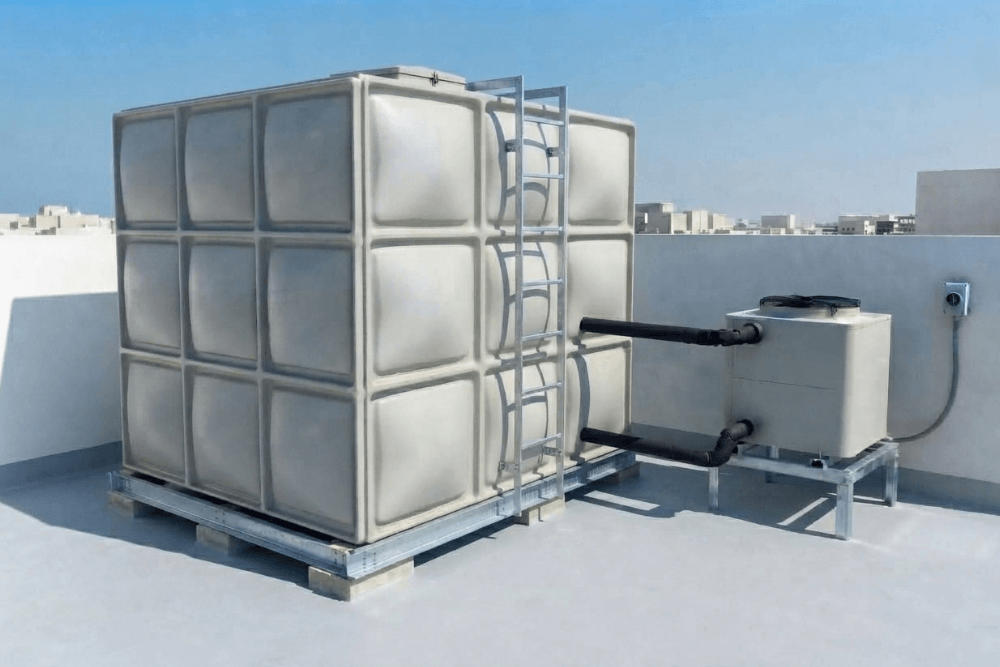
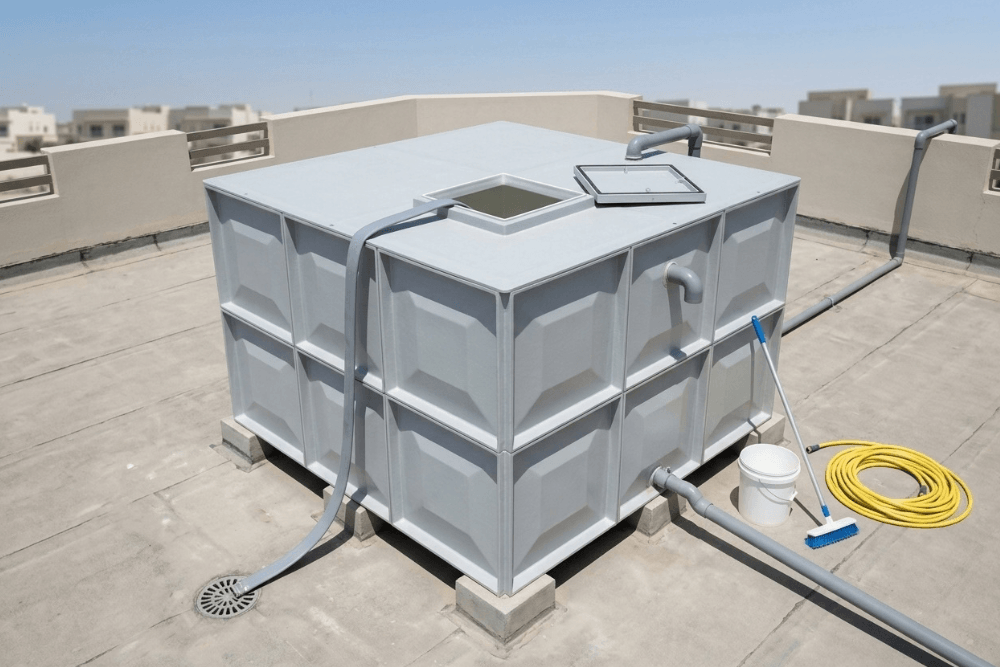
- For buildings with elevated or ground-level water storage tanks, confirm the cleaning schedule is current; general guidance calls for at least twice yearly
Annually
- Flush the water heater tank to clear accumulated sediment before it hardens into scale that insulates the heating element and reduces both efficiency and effective capacity
- Visually inspect all accessible pipework for corrosion; green staining on copper pipe indicates oxidation, orange or brown staining on steel indicates active rust, either is worth noting even if there's no leak yet
- Have a full property water pressure check done; pressure that's crept up over time stresses fittings and seals throughout the system without any single obvious symptom pointing to it
- For villas with a septic tank or main sewer line, confirm cleaning and inspection intervals are being kept to rather than reactively addressed only when a symptom appears
What You Actually Need to Do This Yourself
Almost everything on this list needs no special equipment. A flashlight for checking under sinks and in roof spaces, a basic adjustable wrench for testing shutoff valve movement without forcing anything, white vinegar for descaling showerheads and aerators, and five minutes to check the DEWA app or a physical bill against the previous month. The quarterly and annual items involving the water heater's pressure relief valve and anode rod are worth doing yourself if you're comfortable with basic tools, though replacing either, rather than just checking them, is a reasonable point to bring in a professional.
Timing These Around Dubai's Seasons
While the frequency above is the main driver, a few of these tasks are worth deliberately timing around Dubai's climate rather than just spacing evenly through the year. Late spring, before peak summer heat arrives, is the best window for the pipework and irrigation checks above, since summer is when thermal stress and peak water heater demand combine to cause the most failures, and catching a developing issue before that period is considerably easier than during it. A second check in early autumn, after the most extreme heat has passed, catches anything that developed under summer stress before it's had a full year to worsen.
Why This Matters More in Dubai Than It Looks
None of these tasks are unique to this climate individually, water heaters need flushing everywhere, hair catchers need clearing everywhere. What's genuinely different here is the pace. Hard water accelerates mineral scale buildup inside pipes, tap cartridges, and water heater components meaningfully faster than in softer water conditions, and the wide temperature swing between winter nights and summer days puts continuous thermal stress on exposed and roof-space pipework that milder climates simply don't produce. A maintenance interval that's genuinely adequate elsewhere can be noticeably too infrequent here, which is most of why this checklist runs tighter than the generic version.
!The honest value of a scheduled maintenance contract
If tracking this calendar yourself isn't realistic, a scheduled maintenance arrangement covers the same ground without you having to remember it. This matters most for landlords and rental properties specifically, since a documented maintenance history is genuinely useful at tenant handover, during a property sale, and in any dispute over responsibility for a specific fault.
Most of what's on this list takes minutes and costs nothing beyond the time to check. The value isn't any single task, it's catching the small, cheap version of a problem before Dubai's climate and water conditions turn it into the expensive one.
How often should I flush my water heater in Dubai?
How often should rooftop or ground-level water tanks be cleaned?
What's the single easiest leak check I can do myself, for free?
When's the best time of year to do a maintenance pass in Dubai?
Do I need special tools for most of this checklist?
How often should I check my water heater's anode rod?
Why does Dubai need a tighter maintenance schedule than generic advice assumes?
Is a scheduled maintenance contract worth it instead of tracking this myself?
Related Service
Residential Plumbing
Dealing with this issue right now? See real pricing and how we handle it.
View Residential Plumbing